_960f49ca-7a6f-489f-9829-b3bf054b28ac.jpg)
AMADA (THAILAND) CO., LTD.
PRODUCT
Production Goods
Principles of Digital Mold Maintenance for Modern Manufacturing Plants
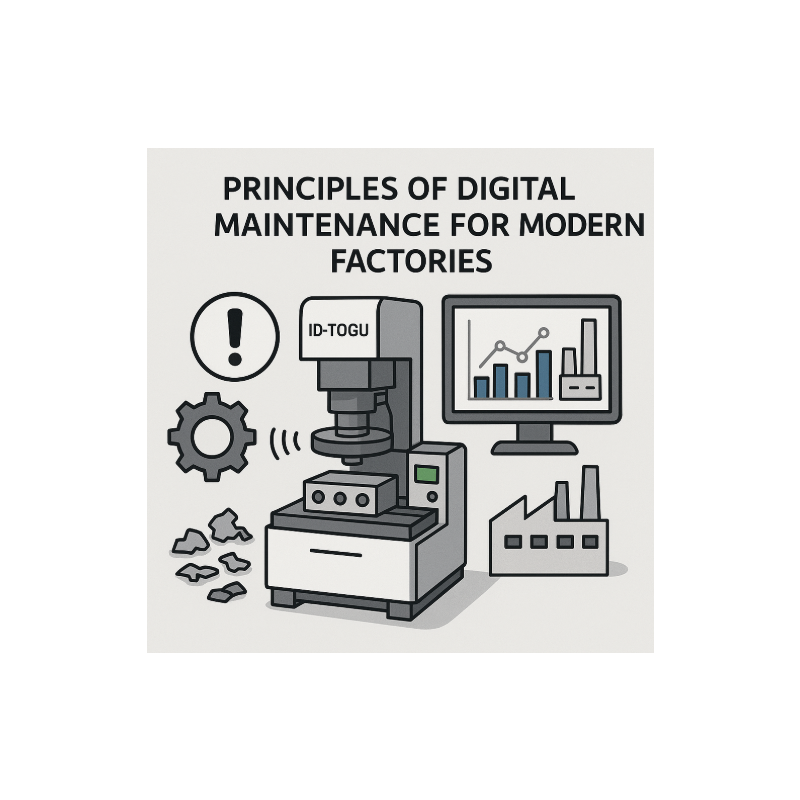
🌟 Key Takeaways• Digital mold maintenance standardizes production and reduces human error
• Real usage data enables accurate wear evaluation and PM planning
• Downtime is reduced while mold lifespan is systematically extended
• Supports quality control and traceability requirements in modern factories
ーーーーーーーーーーーーーーーーーーーーーーーーーーーーーーー
Sheet metal stamping relies on precise and stable tooling. Delayed sharpening or invisible wear can immediately increase costs and create quality issues. Traditional experience-based maintenance is no longer sufficient for modern factories that require high accuracy and traceability. Digital mold maintenance has therefore become a fundamental requirement for smart manufacturing environments.
________________________________________
Digital mold maintenance refers to the systematic use of usage data, grinding records, and maintenance history to analyze the mold lifecycle through digital systems that can:
• Record stroke count and wear conditions
• Measure tool height before and after grinding
• Apply consistent sharpening standards every time
The result is stable product quality, reduced dependency on individual skills, and lower defect risk.
________________________________________
Key Benefits Explained Clearly
●Reducing Human Error
Digital systems standardize sharpening processes and eliminate variability.
●More Accurate PM Planning
Actual operational data indicates optimal timing for sharpening or repair.
●Improved Production Accuracy
Proper sharpening reduces burrs, improves quality, and extends mold life.
●Smart Factory Compatibility
Easily integrates with central systems such as AITS or factory data analytics platforms.
________________________________________
Practical Checklist for Factories
✔ Essential Data to Record
• Stroke count
• Tool height after grinding
• Cutting edge wear rate
✔ Standardized Sharpening Control
• Define standards per mold type
• Measure height before and after grinding
• Inspect flatness and angles before reuse
✔ Database Management
• Record all maintenance history
• Set sharpening cycle alerts
• Store post-production data for long-term analysis
✔ Pre-Operation Inspection
• Check cutting edge condition
• Verify alignment and clearance
• Perform no-load test stamping
________________________________________
Examples & Common Misconceptions
Real Factory Example
Many factories delay sharpening based on visual judgment, leading to burrs and increased scrap. Digital records reveal early wear signals, enabling preventive sharpening before problems occur.
________________________________________
Common Misunderstandings
“The mold still cuts, so it’s fine.”
→ Accumulated wear reduces quality gradually and causes greater losses than scheduled PM.
________________________________________
“Digital systems are difficult to use.”
→ Modern systems feature automated settings and are user-friendly, even for new operators.
________________________________________
📘 Summary
Digital mold maintenance allows factories to control standards, reduce quality issues, and improve overall efficiency. With measurable data, preventive maintenance planning becomes accurate and systematic, extending mold service life.
To gain deeper insights, explore the related advanced knowledge topics below
or consult the Technical Service Department of AMADA (THAILAND) CO., LTD.
ーーーーーーーーーーーーーーーーーーーーーーーーーーーーーーー
❓ FAQ
Q1: How does digital maintenance reduce costs?
A1: By avoiding unnecessary sharpening, reducing scrap, and extending mold life.
Q2: Does it require complex IT systems?
A2: No. Modern systems automatically collect data and are easy to operate.
Q3: Which industries benefit most?
A3: Sheet metal stamping, automotive, electronics, home appliances, and high-quality manufacturing.
________________________________________
📚 Glossary (Key Terms)
• Digital Mold Maintenance: Data-driven mold maintenance approach
• Stroke Count: Number of press strokes
• Burr: Metal edge caused by worn cutting tools
• PM (Preventive Maintenance): Scheduled maintenance to prevent failure
• Alignment: Mold positioning accuracy
• Clearance: Gap between punch and die
________________________________________
📖 Reference
Tool Maintenance Guideline – AMADA Technical Service (N/A)
Safety of Machine Tools – ISO 16090 (N/A)
________________________________________
🔗 Cluster Internal Link
• Core Content: https://prime.nc-net.com/105897/en/product_others/detail_goods/25452
• Advance Knowledge: https://prime.nc-net.com/105897/ja/product_others/detail_goods/27693
________________________________________
🔒 Trust
This content has been technically reviewed by Jidapa Termlap
from AMADA (THAILAND) CO., LTD. to ensure technical accuracy.
________________________________________
#DigitalMoldMaintenance #SmartFactory #MetalStamping
#ToolGrinding #PreventiveMaintenance #ManufacturingQuality
#AMADA #IndustrialMaintenance
📆 Updated: 2025-12-01
Company Information
Industry Classification
Industrial machinery
Main 3 Products
Sheet Metal Fabrication Machines / Metal Cutting Machines / Micro Welding Systems
Phone Number
Homepage URL
Since our founding in 1946, the AMADA Group has continuously created and risen to challenges as a manufacturer of metalworking machinery and supported global manufacturing. With “Growing Together with ...
CONTACT
Contact