_960f49ca-7a6f-489f-9829-b3bf054b28ac.jpg)
KNOWLEDGE
Knowledge
Producer goods
Advanced Troubleshooting: Common Tool Grinding Issues and Automated Solutions
2025-11-23

Table of Contents
- Most grinding problems originate from unstable parameters and human error
- Automated systems precisely control tool height, grinding depth, and cycles
- Digital data addresses burrs, height deviation, and thermal damage
- Ideal for factories aiming to reduce downtime and extend tool life
Tool grinding directly affects stamping quality and tool life. Small deviations such as height variation or uneven grinding surfaces can cause burrs and shorten service life. In high-speed production lines, issues escalate quickly, leading to rework and repeated machine re-setup. Automated grinding systems with digital data improve stability and consistent quality.
■ Why Tool Grinding Is a Critical Bottleneck
Grinding is a key process influencing stamping performance. Even minor height deviation or inconsistent wheel behavior can generate burrs, degrade cut surfaces, and accelerate wear. High-volume lines are especially sensitive, as defects spread fast and require frequent adjustment.
■ Key Root Causes Requiring Deep Analysis
- Over-grinding due to missing digital wear data, causing rapid height loss
- Burrs after grinding from non-flat surfaces or uneven pressure
- Inconsistent post-grinding height from manual measurement error
- Tool mix-up or incorrect Tool ID in high-mix production
- Thermal damage from excessive speed or improper depth per cycle
The core issue is parameter control based on individual skill rather than automation.
■ Automated Solutions for Stable Grinding
- Controlled Grinding Depth per Cycle
Automatic settings by tool type reduce thermal damage. - Automatic Height Measurement
Eliminates manual variation and improves repeatability. - Automated Grinding Cycles
Optimized speed and patterns ensure stable results. - Tool ID and Grinding History Tracking
Prevents mix-ups and supports accurate PM planning.
Stable parameters enable a state of control, forming the basis of smart manufacturing.
■ Technical Comparison
Manual grinding depends on operator skill, often causing uneven surfaces and inconsistent height. This leads to recurring burrs and frequent re-setup. Automated systems such as ID-TOGU with AITS server data apply consistent parameters each time, resulting in stable height control, less rework, longer tool life, and improved production stability.
■ Case-like Insight
An electronics plant experienced increased burrs despite scheduled grinding. The cause was uneven pressure creating non-flat grinding surfaces. After switching to automated grinding with controlled cycles and automatic height measurement, burrs dropped by over 40%, and tool life nearly doubled.
■ Implications / Risks / Next Steps
Implications
- Improper grinding reduces stamping quality and increases scrap
- Digital data improves wear prediction and PM accuracy
Risks
- Heavy reliance on individual skill increases error risk
- No grinding history makes tool life difficult to assess
Next Steps
- Define standardized grinding windows
- Use AITS server to monitor grinding records
- Evaluate automated grinding across production lines
Tool grinding issues should not rely on experience alone. Automated systems with digital data reduce burrs, stabilize tool height, extend tool life, and minimize downtime.
■ Frequently Asked Questions (FAQ)
Q1: Why do burrs occur even after grinding?
A1 : Uneven surfaces or improper depth per cycle. Automation keeps parameters stable.
Q2: Which tools are suitable?
A2 : All sheet metal stamping tools, including high-precision applications.
■ Key Terminology in This Article
- Over-Grinding: Grinding beyond actual wear requirements
- Auto Grinding Cycle: Automated grinding sequence
- Tool ID: Identifier for tracking tool history
- Grinding Window: Standardized parameter range
※For detailed information, please contact us directly.
Company Information
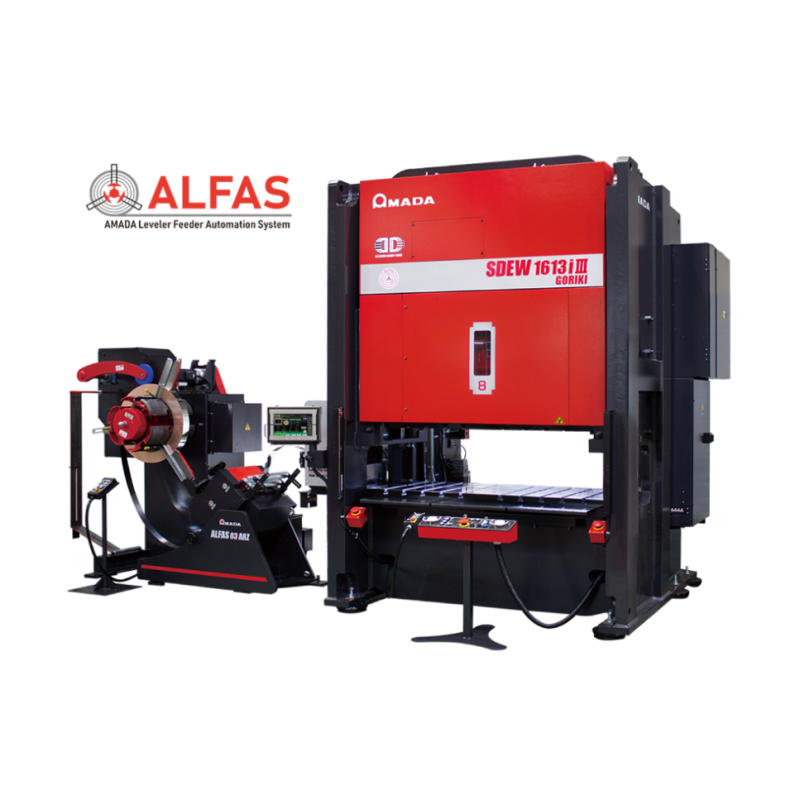
Industrial machinery
Sheet Metal Fabrication Machines / Metal Cutting Machines / Micro Welding Systems
Since our founding in 1946, the AMADA Group has continuously created and risen to challenges as a manufacturer of metalworking machinery and supported global manufacturing. With “Growing Together with ...


CONTACT
Contact