_15a3e843-c865-4cb1-9c30-8a9c1ded1366.png)
PRODUCT
Production Goods
Metalworking Oils & Grease (Lubricants) — Extending tool life through process-specific lubricant proposals for cutting, pressing, and more
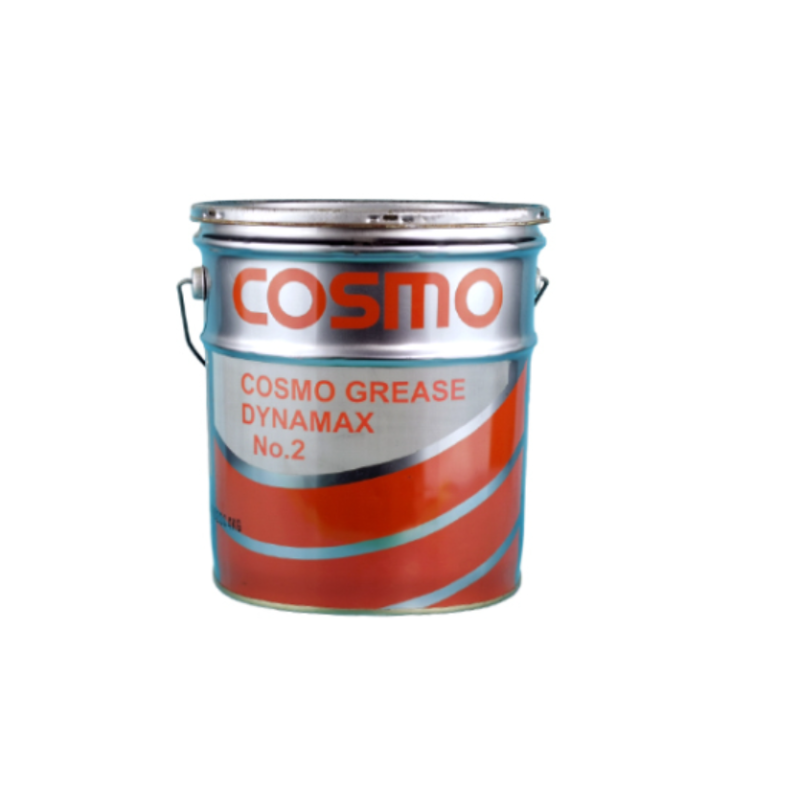
At Tier 3 and Tier 4 companies supporting the automotive and electronic component supply chains in Thailand, balancing processing precision with cost reduction is a major challenge. The selection of processing oils and lubricating greases used in cutting or pressing processes is a critical decision, as it affects not only the finish quality of the products but also the lifespan of expensive tools and molds. On the other hand, rising logistics costs and the increasing complexity of procedures for obtaining import licenses are factors that add to the burden of procurement departments. In such an environment, whether a company can efficiently manage inventory while stably securing the optimal oils determines the stability of site operations.
Table of Contents
- Why Inappropriate Selection of Processing Oils Restricts Production Efficiency
- Structure of Increasing Man-hours Due to Oil Degradation and Tool Wear
- Difference in Suppressing Logistics Costs via Regular Shipments from Japan
- Ingredient Values to Check Before Selecting Oils and Greases by Process
- What Nabelin Thailand Can Do
- FAQ
- Key terms for understanding this article
■ Why Inappropriate Selection of Processing Oils Restricts Production Efficiency
At metal processing sites in Thailand, oils are used in diverse processes such as cutting, pressing, and grinding. Misidentifying the correct oil can cause various issues affecting productivity. For example, if cooling performance is insufficient for the cutting speed, the blade tip temperature will not drop enough, accelerating tool wear. Consequently, the frequency of tool replacement increases, leading to longer downtime. Furthermore, if the oil components do not match the workpiece material, streaks or burrs may occur on the processed surface, or products may discolor. In the manufacturing of precision electronic components or PCB-related parts, the ability to reliably remove oil in the cleaning process is also vital. Using oils with low cleanability results in residual oil in subsequent processes, leading to peeling or conduction failure, which lowers the yield. Thus, oil selection is not merely a replenishment of consumables. Choosing appropriate oils contributes to shortening tact time and improving the straight-through rate, serving as a vital element supporting the stable operation of manufacturing sites.
■ Structure of Increasing Man-hours Due to Oil Degradation and Tool Wear
Processing oils and lubricating greases gradually degrade due to thermal loads during use and the infiltration of metal powders. In Thailand's high-temperature and high-humidity environment, oxidation and viscosity changes occur easily, which can affect the dimensional accuracy of products. When lubrication performance drops, friction resistance between the tool and workpiece increases, and tools that should ideally last for 1,000 shots may reach their lifespan in only a few hundred shots. Shortened tool life not only increases tool costs but also results in labor costs for replacement and setup, contributing to prolonged manufacturing lead times. In press processing, a lack of extreme pressure additives causes "galling" on the mold, requiring regrinding or repair, which increases both costs and work hours. To suppress these situations, it is essential to grasp the quality state of the oil and manage appropriate replacement timing. Positioning oil management as part of the process design, including reviewing oils suitable for the site environment, leads to the suppression of manufacturing costs.
■ Difference in Suppressing Logistics Costs via Regular Shipments from Japan
When introducing high-quality Japanese oils in Thailand, logistics costs, delivery times, and regulatory compliance are major challenges. Individually importing reagents or high-performance chemicals from Japanese manufacturers tends to incur high freight charges, and small orders are often avoided. However, by optimizing the supply system, stable procurement of Japanese products can proceed while suppressing costs. Specifically, a system exists where full containers are shipped regularly from Japan every month, utilizing two container systems to transport acidic and alkaline products separately. This enables transportation that avoids mixed loading of dangerous goods while suppressing individual freight charges, allowing for the continuous supply of high-quality Japanese processing oils to Thailand. Furthermore, a system capable of responding to import license acquisition procedures involving the Thai FDA or the Ministry of Industry is important. A mechanism that can handle license acquisition even for small samples (around 50ml) ensures smooth progress for prototypes in the development stage or application in special processes.
■ Ingredient Values to Check Before Selecting Oils and Greases by Process
When selecting processing oils or greases, it is important to verify ingredient values and characteristics based on primary information. For example, for press processing oils, the content of sulfur-based or chlorine-based extreme pressure additives should be understood according to the processing load. In recent years, compliance with environmental regulations and the RoHS2 directive has tightened, and cases requiring consideration of alternative oils that do not contain regulated substances for safety are increasing. Additionally, alignment with subsequent processes is essential in oil selection. The type of compatible oil changes depending on whether the cleaning agent used in the cleaning process is hydrocarbon, water-based, or fluorine-based. Especially, fluorine-based cleaning agents are highly volatile and used for cleaning precision parts, but compatibility with the oil must be verified based on numerical data.
■ Checklist items when selecting processing oil and grease
Item | Key indicators to check | Affected factors |
Kinematic viscosity | Kinematic viscosity at 40°C (mm²/s) | Lubricating film thickness, penetration capability, and cooling efficiency |
Extreme-pressure properties | Load-carrying capacity from tests such as the Four-Ball test (N) | Prevention of seizure and galling of tools and dies |
Volatility | Flash point (°C) and evaporation loss | Fire risk and workplace safety |
Corrosiveness | Copper strip corrosion test rating (grade) | Risk of discoloration of the work material and rust formation on finished products |
■ What Nabelin Thailand Can Do
Nabelin Thailand goes beyond being a trading company to act as a "Monozukuri Partner" for manufacturing sites, providing integrated support from oil selection to the establishment of supply systems. With bases in Thailand, it proposes a wide range of chemical products such as cutting oils, press oils, lubricating greases, rust preventives, and cleaning agents to automotive and electronic component manufacturers. In Thailand, we do not have an inventory management system, but we perform management based on customer forecasts.
Furthermore, even for a single small-volume product (around 50ml), the company acts as an agent for obtaining import licenses related to the FDA or the Ministry of Industry. Utilizing regular shipments from Japan enables stable supply while suppressing logistics costs. In coordination with a local Thai sales team, the company provides site-specific support from oil ingredient selection to logistics structure construction for Japanese, foreign-affiliated, and local companies.
※For more details, please download the PDF attached to this article or contact us via the form at the bottom of the page.
■ FAQ
Q1: Can I order special oils that require an import license in small quantities?
A1: Yes, small quantities can be ordered. Even for 50ml reagents or special processing oils, we handle everything from verification to acquisition of import licenses involving the Thai FDA or the Ministry of Industry. We proceed with import procedures and supply products from a single unit even for small-lot items or products requiring license procedures.
Q2: I am troubled by excessive inventory or stockouts in Thailand. Is there logistics support?
A2: While we do not have an automated inventory management system, we perform management based on the forecasts provided by customers to align with production plans.
Q3: Is it possible to consult on switching from Japanese products to locally procured products in Thailand to reduce manufacturing costs?
A3: Yes, we handle such requests. We investigate locally procured products with specifications equivalent to those currently imported from Japan and present options leading to cost reduction or shorter delivery times. We consider optimal switching plans by comparing ingredients and performance, and for special high-performance oils, we also propose supply methods utilizing regular shipments from Japan.
■ Key terms for understanding this article
- Warehouse: A remote inventory management system utilizing IT and networks. By placing consignment inventory in the customer's warehouse and monitoring inventory levels 24 hours a day, it reduces the risk of stockouts or
excessive inventory and lessens the burden of ordering duties. - Import License (FDA/Ministry of Industry, etc.): Legal regulations required when handling chemicals in Thailand. The FDA, Ministry of Industry, and Ministry of Defence are involved, requiring verification or acquisition of import permits per product. Chemicals such as reagents and processing oils have different license categories depending on their use and ingredients.
- Tier 3 and Tier 4: Third- and fourth-tier subcontracting companies in supply chains like the automotive industry. Refers to production levels primarily responsible for component or material processing, where both cost management and processing precision are required.
- Import Cycle Sales: A method of supplying products planned while considering lead times by utilizing regular shipment transport from Japan. This enables stable procurement while suppressing the high freight charges often incurred in small-lot imports.
※For more details, please download the PDF attached to this article or contact us via the form at the bottom of the page.
Company Information
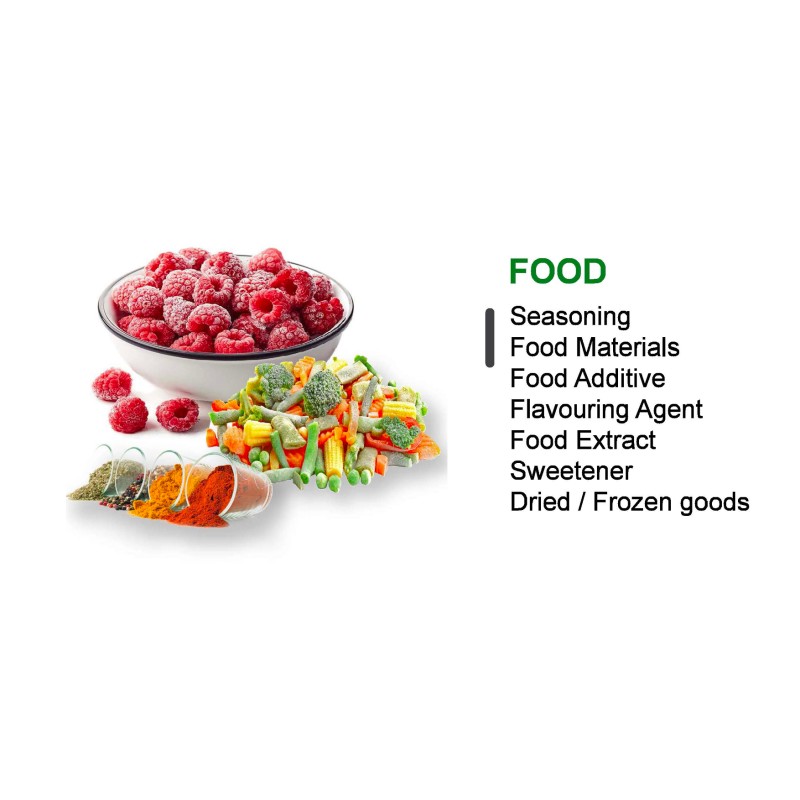
Industrial chemical products / Foods additives / Reagents
Nabelin (Thailand) Co., Ltd. was established in 2006 and received approval from the Thailand Board of Investment (BOI) in 2007. We celebrate our 20th anniversary. We have offices across Asia, includin ...
CATALOG
Related Catalogs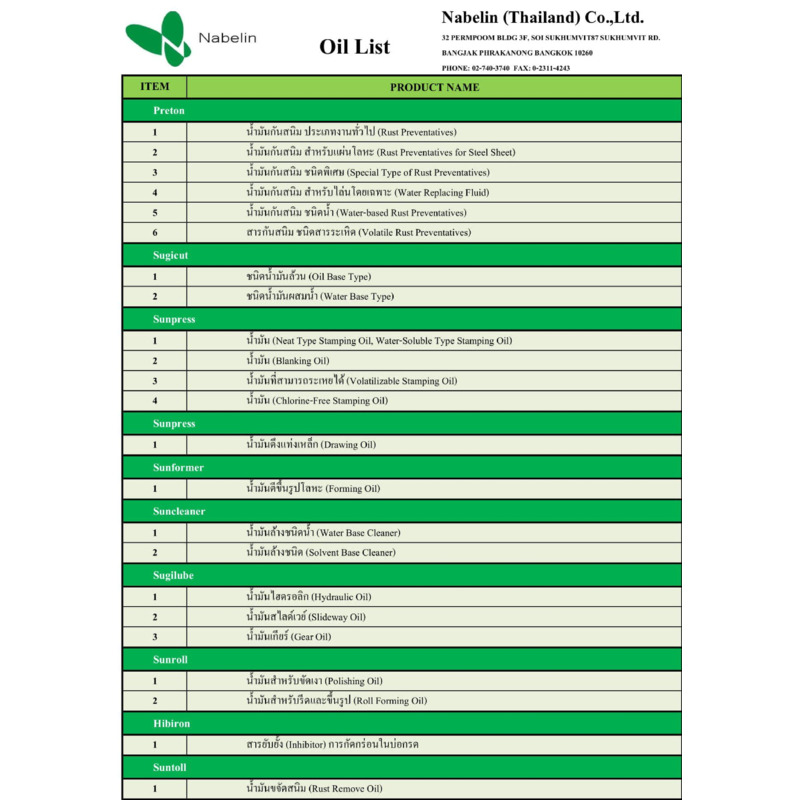
CONTACT
Contact