_239a2f9f-b968-43f7-9ab6-c2c6464aed44.png)
DOWA THERMOTECH (THAILAND) CO., LTD.
PRODUCT
Production Goods
Metal Hot Zone in Vacuum Heat Treatment | Reduce Carbon Contamination for Precision Manufacturing
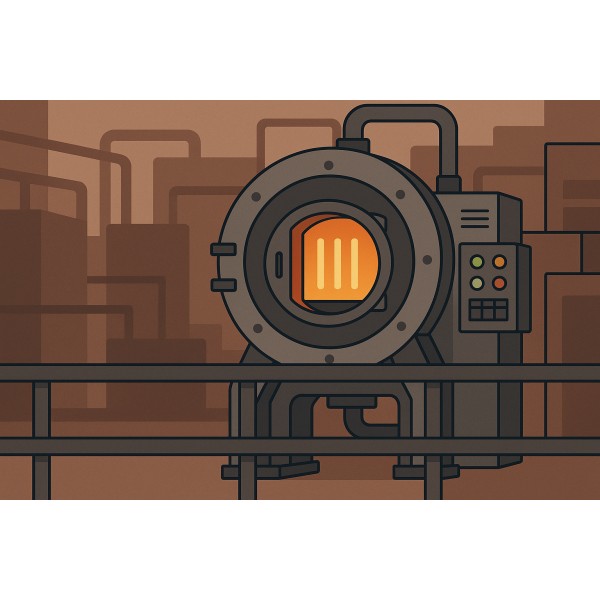
Switching to a Metal Hot Zone in vacuum heat treatment eliminates carbon contamination, ensuring clean surfaces, stable properties, and fewer defects ideal for aerospace, medical, and electronics components.
Why Carbon Contamination Is a Problem in Heat Treatment
Many vacuum furnaces use graphite hot zones because of their insulation properties. However, at high temperatures (1,000–1,300 °C), graphite emits carbon gas. This gas is absorbed by the workpiece, causing:
- Dark surface stains
- Inconsistent hardness
- Reduced mechanical performance
- Increased rework and cleaning effort
For precision industries, such issues impact both quality and cost.
What Is a Metal Hot Zone?
A Metal Hot Zone uses heat-resistant metals like molybdenum, tantalum, or tungsten instead of graphite. These materials:
- Do not release carbon
- Provide a silver-gray, clean surface finish
- Are ideal for titanium, superalloys, and brazing components
4 Key Benefits of Using a Metal Hot Zone
1. Clean Surface Finish
No soot or carbon staining. Parts exit the furnace with a pristine metallic surface, reducing post-processing.
2. Lower Rework Rates
Avoid contamination-related defects, which means fewer rejects and higher yield.
3. Compatibility with Sensitive Materials
Works with titanium, Inconel, and metal-ceramic assemblies materials that absorb carbon easily under heat.
4. Environmentally Friendly
No carbon gas emission from the furnace hot zone, supporting eco-conscious manufacturing.
Why It Matters for Precision Industries
In fields like aerospace, medical, and electronics, parts must meet exact surface and mechanical requirements. A Metal Hot Zone ensures:
- Surface purity without dark marks
- Stable hardness across batches
- Confidence in structural integrity
This technology helps meet strict quality control standards, reduce hidden costs, and maintain a competitive edge in high-spec manufacturing.
Company Information
_thumb_03c39bee-c71a-42fa-aa30-860b52f27965_thumb_a99d4e92-9af2-48da-b42e-9fbc30e0a558.jpg)
Industry Classification
/ Transportation equipment
Main 3 Products
Heat treatment surface treatment (carbur / Quenching and tempering / Gas soft nitriding
Phone Number
Homepage URL
DOWA THERMOTECH (THAILAND) CO., LTD. was established in 2007 as a member of the DOWA Group. Located in Rayong Province, Thailand, the company operates a factory spanning 5,148 square meters. As expert ...
CONTACT
Contact