_239a2f9f-b968-43f7-9ab6-c2c6464aed44.png)
DOWA THERMOTECH (THAILAND) CO., LTD.
PRODUCT
Production Goods
Understanding Heat Treatment|Types, Processes, and Industrial Applications Explained
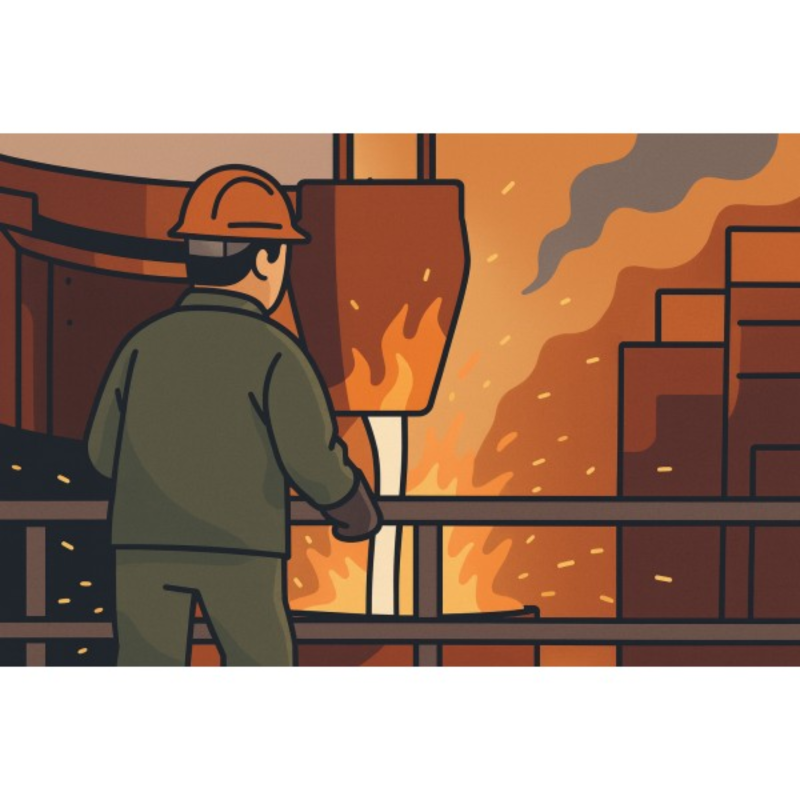
Heat treatment enhances metal strength, hardness, and fatigue resistance using precise thermal control. Learn the key types, benefits, and how Dowa Thermotech can help industries improve product performance and lifespan.
What Is Heat Treatment?
Heat treatment is a controlled thermal process that modifies the physical and chemical structure of metals and alloys to improve mechanical performance. It helps increase hardness, wear resistance, and toughness, making it essential in:
- Automotive components (gears, shafts)
- Aerospace parts (turbines, landing gear)
- Tooling (molds, drills, dies)
- Structural materials (rails, bridges)
Main Types of Heat Treatment
1. Annealing
- Purpose: Soften metal, relieve stress, increase ductility
- Process: Heat to specific temperature → Slowly cool in furnace
- Applications: Steel sheets, aluminum parts, copper conductors
2. Normalizing
- Purpose: Refine grain structure, improve toughness
- Process: Heat above critical temperature → Air cooling
- Used in: Steel frames, construction beams, automotive parts
3. Hardening (Quenching)
- Purpose: Increase surface and core hardness
- Process: Rapid cooling in oil, water, or air after heating
- For: Knives, gears, shafts, tools
4. Tempering
- Purpose: Reduce brittleness after quenching
- Process: Reheat at moderate temperature → Controlled cooling
- Used for: Springs, tools requiring balance of hardness and flexibility
5. Case Hardening (Surface Hardening)
- Purpose: Harden the surface while keeping core ductile
- Techniques: Carburizing, nitriding, induction hardening
- Best for: Gears, camshafts, bearings
Heat Treatment Process Flow
1. Heating:
Precision temperature control based on alloy composition
2. Soaking:
Hold at target temp for atomic structure transformation
3. Cooling:
Rapid or slow cooling defines final hardness and strength
- Furnace cooling = soft
- Quenching (oil/water) = hard
- Air cooling = balanced
Industrial Applications
- Automotive: Hardened gears, crankshafts, suspension arms
- Aerospace: Turbine blades, lightweight alloy structures
- Tooling: Wear-resistant drills, cutting tools, mold bases
- Infrastructure: Normalized steel rails, construction beams
Choosing the Right Heat Treatment
When selecting a heat treatment process, consider:
- Material type: Steel, aluminum, titanium
- Performance goal: Hardness, toughness, wear resistance
- Use case: Automotive, aerospace, mold-making
A tailored heat treatment improves reliability and reduces failure or rework.
Trusted Service: Dowa Thermotech
Dowa Thermotech provides full-range heat treatment services including:
- Quenching & Tempering
- Gas Carburizing
- Nitriding & QPQ
- Vacuum Heat Treatment
With facilities and quality systems tailored to automotive, aerospace, and high-precision industries in Thailand, Dowa ensures consistent, traceable results to international standards.
Company Information
_thumb_03c39bee-c71a-42fa-aa30-860b52f27965_thumb_a99d4e92-9af2-48da-b42e-9fbc30e0a558.jpg)
Industry Classification
/ Transportation equipment
Main 3 Products
Heat treatment surface treatment (carbur / Quenching and tempering / Gas soft nitriding
Phone Number
Homepage URL
DOWA THERMOTECH (THAILAND) CO., LTD. was established in 2007 as a member of the DOWA Group. Located in Rayong Province, Thailand, the company operates a factory spanning 5,148 square meters. As expert ...
CONTACT
Contact