_e71de7f1-7c67-471d-a7ad-830b07cdbc72.png)
KANEKO CHEMICAL (THAILAND) CO., LTD.
PRODUCT
Production Goods
Metal Compatibility Analysis | Why Fluoro Solvent Does Not Corrode Steel, Aluminum, and Copper
🌟 Key Takeaways• Fluoro Solvent offers high chemical inertness
• Non-aqueous, reducing the risk of electrochemical corrosion
• Does not cause tarnishing or oxidation on common metals
• Suitable for processes requiring high surface integrity
ーーーーーーーーーーーーーーーーーーーーーーーーーーーーーーー
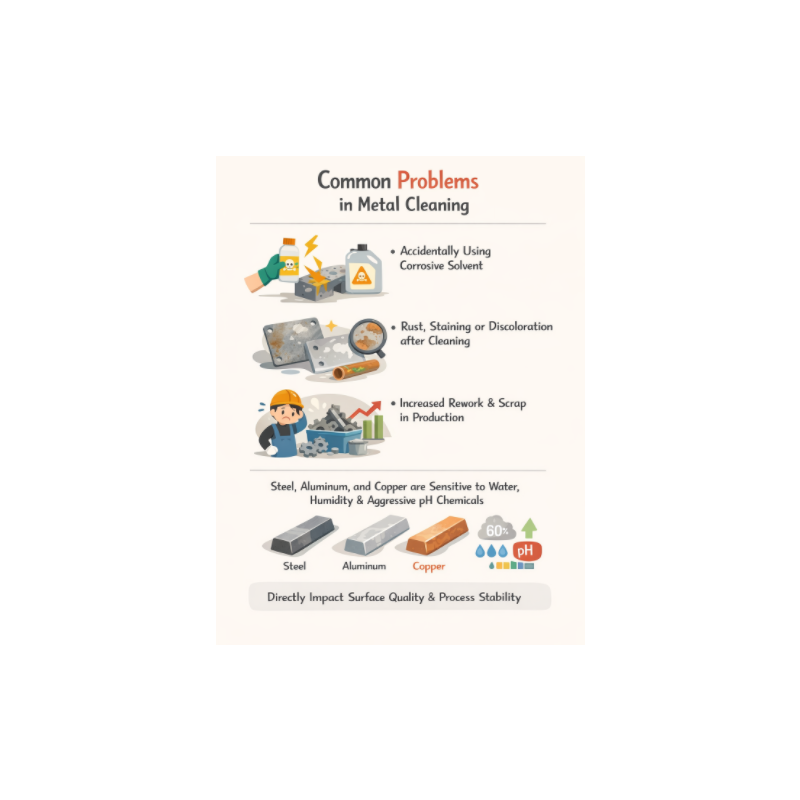
In industrial production lines, metal cleaning is often treated as a secondary process. In reality, many quality issues do not stem from insufficient cleaning, but from cleaning agents that unintentionally damage metal surfaces. This can result in rust, stains, or discoloration after cleaning, directly impacting product quality and long-term production costs.
________________________________________
🔷 Common Issues in Metal Cleaning Processes
• Unintentional surface damage caused by improper cleaning agents
• Rust, stains, or discoloration after the cleaning process
• Increased rework and scrap rates in production lines
Common metals such as steel, aluminum, and copper are highly sensitive to water, moisture, and aggressive pH chemicals. These factors directly affect surface quality and overall process stability.
________________________________________
🔷 Overlooked Corrosion Mechanisms
Metal corrosion during cleaning processes is often caused by:
• Residual water or moisture on metal surfaces
• Acidic or alkaline pH conditions
• Oxidation reactions from chemically unstable substances
Some cleaning agents may remove contaminants effectively, but can cause long-term damage to metal surfaces.
________________________________________
🔷 Why Fluoro Solvent Does Not Corrode Metals
Fluoro Solvent is designed to directly eliminate corrosion factors through:
• Non-aqueous formulation that prevents electrochemical reactions
• No acidic or alkaline pH
• Highly stable molecular structure
• No reactivity with common industrial metals
As a result, oils and resins can be removed efficiently without affecting surface structure or surface finish.
________________________________________
🔷 Comparison with Other Cleaning Agents
• Water-based cleaning
o High risk of rust and stains
o Requires additional drying steps
• Chlorinated solvents
o Limited by safety and regulatory constraints
• Fluoro Solvent
o Balanced cleaning performance and material compatibility
________________________________________
🔷 Quality and KPI Impact from Industrial Use
Based on industrial application data:
• No corrosion or discoloration observed on common metals
• Fast drying reduces post-cleaning defects
• Lower rework and scrap rates
________________________________________
🔷 Case-like Insight (Anonymized)
A metal parts manufacturer experienced aluminum surface dullness after cleaning. After switching to a non-aqueous cleaning agent, surface consistency improved and post-assembly issues were significantly reduced.
________________________________________
🔷 Key Considerations for Engineers Selecting Cleaning Agents
Cleaning agent selection should consider more than cleaning strength:
• Long-term impact on metal surfaces
• Process stability
• Quality and export compliance risks
For precision applications, surface preservation is as critical as contaminant removal.
________________________________________
📘 Summary
Fluoro Solvent reduces corrosion risks while preserving metal surface quality, making it suitable for high-precision and long-term stable manufacturing processes.
For practical implementation, KANEKO CHEMICAL (THAILAND) CO., LTD. has extensive expertise in Fluoro Solvent.
Explore related Core Content topics or consult the technical team for further guidance.
ーーーーーーーーーーーーーーーーーーーーーーーーーーーーーーー
❓ FAQ
Q: Does Fluoro Solvent cause metal rust?
A: No. It is non-aqueous and does not create electrochemical corrosion conditions.
Q: Which metals are suitable?
A: Steel, aluminum, copper, and common industrial metals.
________________________________________
📚 Glossary (Key Terms)
• Fluoro Solvent: A chemically inert, non-aqueous cleaning agent
• Electrochemical Corrosion: Corrosion caused by electrochemical reactions in the presence of electrolytes
• Surface Integrity: Preservation of metal surface condition after processing
• Surface Finish: The final surface condition after cleaning or machining
________________________________________
📖 Reference
Based on information from KANEKO CHEMICAL (THAILAND) CO., LTD.
________________________________________
🔒 Trust
This content has been reviewed by technical specialists from KANEKO CHEMICAL (THAILAND) CO., LTD.
to ensure technical accuracy.
________________________________________
📆 Updated: 2025-12-19
Company Information
Main 3 Products
Industrial chemicals / cleaning agent / cleaning machine
Phone Number
Homepage URL
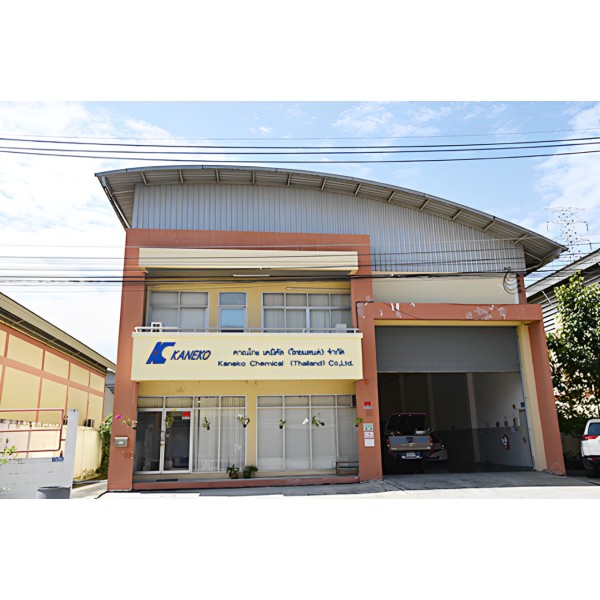
We manufacture and sell chemical industrial products, cleaning agents, and cleaning machines. If you have any problems with cleaning, please feel free to contact us.
CONTACT
Contact