
KNOWLEDGE
Knowledge
Technology and Services
【Importing Wear-Resistant Tools from Japan Each Time】Review Your Local Procurement System in Thailand Before an Unexpected Problem Stops Production
2026-08-07
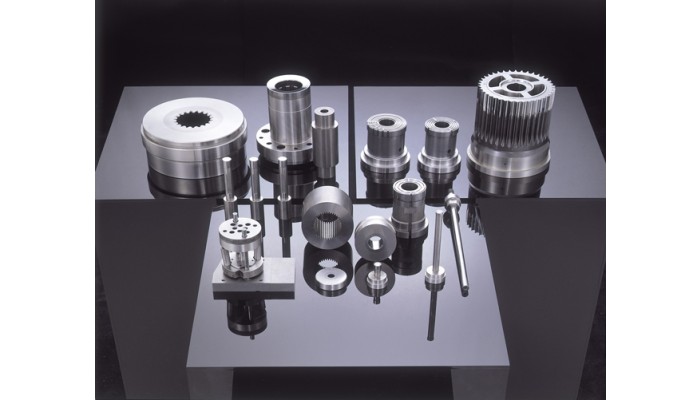
For factories that import wear-resistant tools from Japan each time they are needed, unexpected wear or seizure may require time to assess the situation, adjust specifications, remanufacture the tool, and arrange transportation. If no spare tool is available, this waiting time could lead to a production line shutdown.
When considering a procurement system in Thailand, it is important to look not only at transportation lead time but also at whether there is a system in place to share conditions at the production site and consult about the causes of damage and possible improvements. This article explains risks that can easily be overlooked when tools are imported from Japan each time, points that should be checked before remanufacturing, and the benefits of local procurement and technical support in Thailand.
Table of Contents
- “Waiting time” after a problem occurs can become a risk of production stoppage
- Check the cause of damage before remanufacturing the same tool
- Local procurement changes more than just transportation lead time
- Improvement examples: measures according to the symptoms
- Material selection and technical support by FUJILLOY
- FAQ
- Terms used in this article
■ “Waiting Time” After a Problem Occurs Can Become a Risk of Production Stoppage
As long as production is proceeding according to plan, importing wear-resistant tools from Japan may not seem like a major problem. However, if tool wear or seizure, scratches on the product surface, or variations in dimensional accuracy occur, the machine must be stopped so that the tool can be inspected or replaced.
When repairs or remanufacturing are handled through Japan, after sharing the conditions at the production site and the specifications, it is still necessary to wait for a response policy to be determined, the tool to be manufactured, and transportation to be completed. If no spare tool is available, the entire time required for this process may directly become production line downtime.
When reviewing the procurement system, it is important to check not only the transportation lead time for the tool, but also whom you can consult after a problem occurs and how quickly a response policy can be determined.
■ Check the Cause of Damage Before Remanufacturing the Same Tool
Problems that occur with wear-resistant tools are not limited to simple wear. They can also include seizure, chipping, scratches on the product surface, and variations in dimensional accuracy. The possible causes and effective countermeasures differ depending on the symptoms.
Therefore, if a tool is remanufactured using the same drawing, material, and specifications without checking the cause, there is a risk that the same problem will occur again.
For example, if wear is the main cause, changing to cemented carbide with higher wear resistance may be effective in some cases. On the other hand, if the condition of the tool surface is causing scratches on the product, improving the surface roughness through lapping without changing the material may also be an option.
Before deciding to repair or remanufacture the tool, the following conditions should be checked:
- Tool material and shape
- Location where wear or damage occurred
- Material of the workpiece being processed
- Operating conditions such as load, temperature, and lubrication
- Surface finishing and coating
- Number of shots before the problem occurs
What matters is not simply remanufacturing the same tool quickly. It is important to identify the cause and select an improvement method that can reduce the likelihood of the problem recurring.
■ Local Procurement Changes More Than Just Transportation Lead Time
If there is a local point of contact for processing and technical support in Thailand, it becomes easier to share the condition of damaged tools and products and to consider the direction of improvements.
The value of local procurement in Thailand is not limited to eliminating transportation from Japan. It also includes the ability to discuss material changes, shape modifications, surface finishing, and coatings based on actual operating conditions.
On the other hand, switching to local procurement in Thailand does not mean that every type of tool can be manufactured within a short period. The processes that can be handled and the manufacturing lead time vary depending on the tool material, shape, required accuracy, and processing details.
Therefore, as preparation for unexpected problems, it is important to check in advance which types of processing and adjustment can be handled in Thailand and whether a system for technical consultation is available.
■ Improvement Examples: Measures According to the Symptoms
The following are actual examples in which the material or surface finish was reviewed according to the symptoms occurring on the tool, resulting in improved tool life or maintenance intervals.
Deep Drawing Die Life Increased Fifteenfold
A deep drawing die used for motor cases had a problem with scratches on the product surface. After changing the material from SKD11 to D40 cemented carbide, tool life increased from 100,000 shots to 1,500,000 shots. As a result, the number of tools used and the number of replacements could be significantly reduced.
Maintenance Interval Extended from 3 Days to 3 Months
A holder used for processing oil filter cases experienced seizure and required maintenance every three days. After changing the material from SKD11 to D60 cemented carbide, it could be used continuously for three months, reducing the frequency of maintenance work and the associated production line stoppages.
Tool Life Increased Sixfold by Improving Surface Roughness
A bending punch used for processing automotive engine parts developed scratches on the product surface at an early stage. After improving the surface roughness of the tool through lapping, tool life increased sixfold. This is an example in which improvement was achieved by reviewing the surface condition without changing the material.
As these examples show, even when the same type of product scratching occurs, in some cases the wear resistance of the material may be a factor, while in other cases the condition of the tool surface may be the cause. Before proceeding with remanufacturing, it is important to check the cause and select an appropriate measure from options such as changing the material or reviewing the surface finish.
■ Material Selection and Technical Support by FUJILLOY
FUJILLOY offers approximately 60 grades of cemented carbide with different properties in terms of hardness, wear resistance, toughness, heat resistance, and corrosion resistance. A suitable grade is selected according to the condition of tool damage, applied load, operating temperature, and the material being processed. In addition to grades for general wear-resistant applications, there are also grades for high-temperature environments and applications requiring non-magnetic and corrosion-resistant properties.
If there are issues with die life or replacement frequency, the condition of the tool and its operating conditions are checked, and the material grade and specifications are considered while sample testing is conducted as necessary.
The objective is not simply to replace tools made in Japan with tools made in Thailand, or to replace steel tools with carbide tools. The objective is to extend tool life and reduce the number of replacements and maintenance operations, thereby reducing the risk of unexpected production line stoppages.
■ Information to Prepare Before Consultation
If information about the tool and the problem that is occurring is available, it becomes easier to check the cause and consider possible improvements.
When requesting a consultation, please prepare the following information to the extent possible:
- Tool drawing
- Material currently being used
- Type of surface treatment or coating
- Number of shots before the problem occurs
- Location where wear or damage occurred
- Product dimensions that need to be controlled
- Operating conditions such as load, temperature, and lubrication
- Whether spare tools are available
- Acceptable production line downtime
Based on this information, the directions that should be considered can be organized, including remanufacturing, shape modification, material changes, and review of the surface finish.
※A consultation can also begin even if all of the information is not yet available.
■ FAQ
Q1: If there is a supplier in Thailand, will it no longer be necessary to import tools from Japan?
A1: It does not necessarily mean that every process can be completed entirely in Thailand. Depending on material production and tool specifications, coordination with Japan may still be required.
What is important is not limiting procurement to either Japan or Thailand, but confirming the processes and roles that each side can handle and establishing a system that allows action to begin easily when a problem occurs.
Q2: If a tool is damaged, should remanufacturing be requested immediately?
A2: Before remanufacturing the tool to the same specifications, it is important to check wear, seizure, chipping, scratches on the product, and dimensional accuracy.
If the cause lies in the material, shape, surface finish, or operating conditions, the problem may occur again even if the same tool is remanufactured.
Q3: Should all tools be changed to cemented carbide?
A3: Cemented carbide is not suitable for every application. The material must be selected according to the wear condition, applied load, risk of chipping or cracking, operating temperature, and the material of the workpiece being processed.
Depending on the problem, changing the type of steel, applying a coating, or using lapping may also be effective in some cases.
Q4: What should be checked when considering local procurement in Thailand?
A4: The processing operations that can be handled in Thailand, the scope of technical support, manufacturing lead time, and whether testing can be supported should be checked.
In addition, it is important to organize information regarding the number of spare tools, acceptable production line downtime, and the processes that will continue to be sourced from Japan.
■ Terms Used in This Article
- Wear-Resistant Tools
Tools used in environments where they are subjected to friction or loads during production and where wear occurs. These include punches, dies, plugs, and other tools. - Cemented Carbide
A sintered material in which hard materials such as tungsten carbide are bonded with metals such as cobalt or nickel. It has high hardness and wear resistance and is used for wear-resistant tools and dies. - Shot Count
The number of processing or production cycles that can be completed before the tool must be replaced or maintained. - Local Procurement in Thailand
A procurement system in which tool processing, specification adjustments, technical support, and other services are provided through a base in Thailand. - Sample Evaluation
Testing tools or materials in an environment close to actual processing conditions before full-scale introduction in order to confirm performance and suitability.
※For more details, please download the attached materials or contact us via the form below.
Company Information
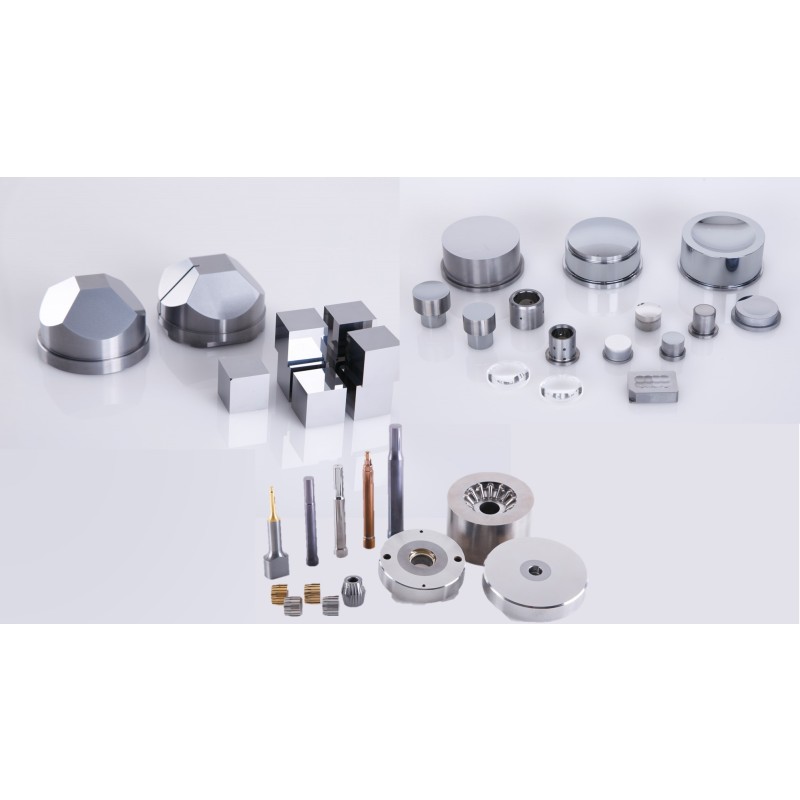
Home electrical appliances / Electronic parts / Transportation equipment
TOOLS FOR AUTO PARTS / Electronic / Special parts Tools materials
FUJILLOY (THAILAND) is the Thailand office of Fuji Dice Co., Ltd. Features of FUJILLOY (THAILAND) ・ Technological Renovations ・ Cost Efficiency ・ Immediate Delivery
PICKUP
Technology & Services
CONTACT
Contact